
Today, we carry powerful communication devices in our pockets that allow us not only to call anywhere in the world, but also to receive text messages, make video calls, and take beautiful photos. All this has become possible thanks to a modern technological marvel—the telephone. The history of telephony in New York is very rich and interesting. We will talk about it in more detail at manhattan-future.com.
The invention of the telephone
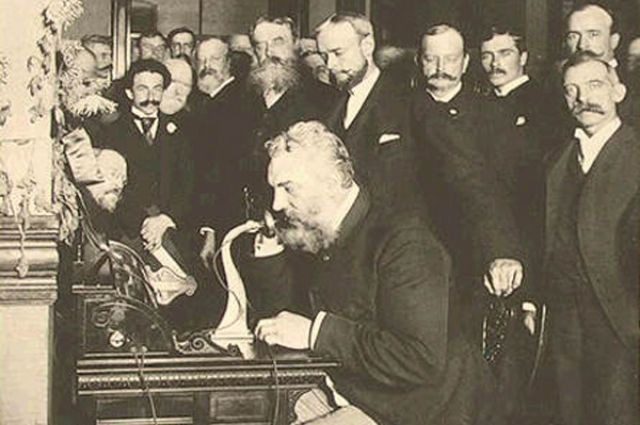
In 1876, Alexander Graham Bell placed the world’s first telephone call. This moment marked the beginning of telephony’s development globally. Unlike the telegraph, which transmitted messages using Morse code, the telephone transmitted the human voice over wires, allowing people to talk in real-time, even when far apart. Just one year after this breakthrough, the first outdoor telephone wire was laid, and commercial telephone service began in the United States. Initially, the first telephones in New York were hardwired to one another. There was no dialling or switching – just a direct line between two points. However, the rapidly growing demand for telephones soon led to a need for a way to connect multiple subscribers. In 1878, the first manual switchboard and a payphone were introduced. These early systems required operators to manually connect calls. Switchboards, predominantly run by women, became the nerve centre of New York’s telephone network. When a person picked up the receiver, an operator would answer and physically connect their line to another to complete the call. This innovation allowed many users to join the growing network. The very first telephone in New York was installed in 1877 at the home of Charles Sewell, a manager at the Atlantic and Pacific Telegraph Co.
New York’s First Telephone Exchanges
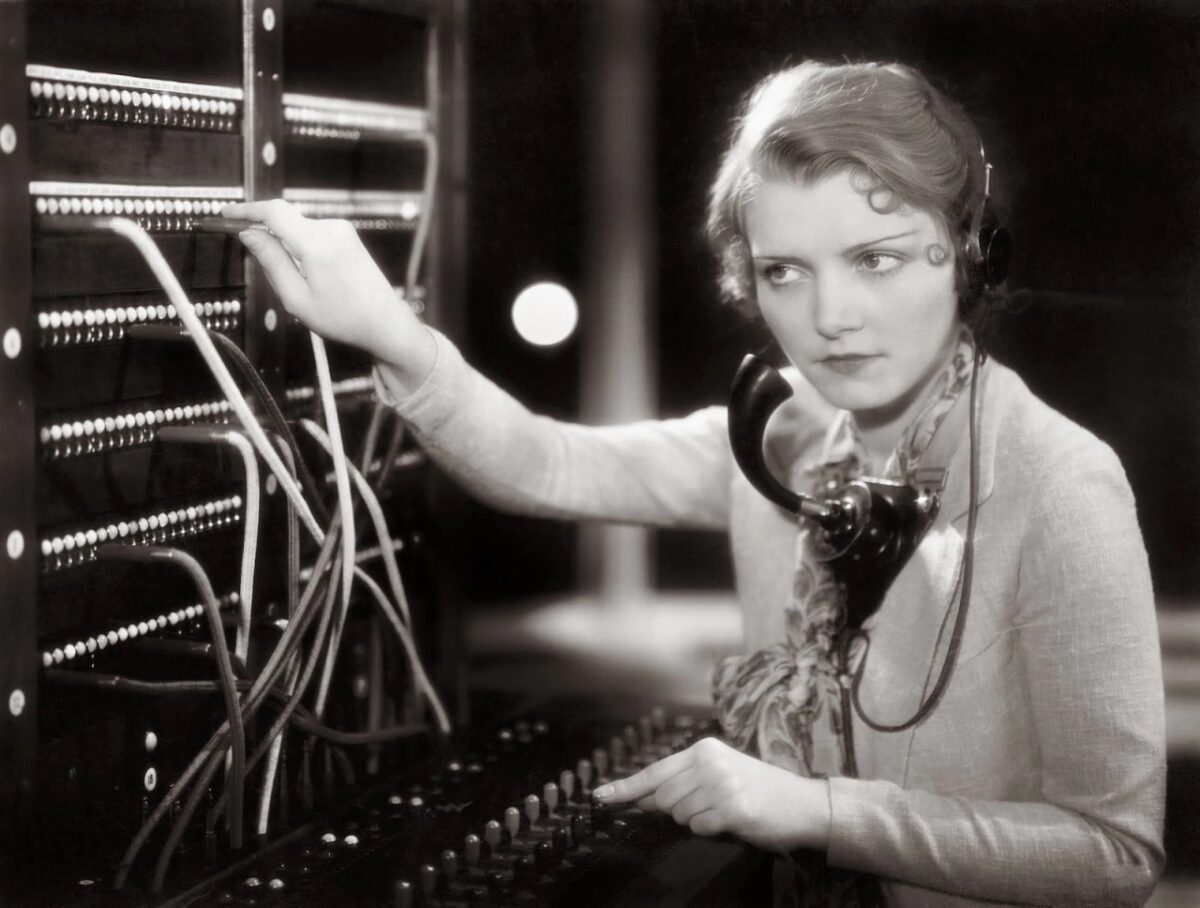
In May 1878, the American District Telephone Co. established the first telephone exchange in Albany, New York, and the fourth in the entire country. The first three were in New Haven and Meriden. The New York station was situated on the second floor of the Van Huesen & Charles building at 468 Broadway. Upon opening, the exchange already boasted 75 subscribers, mostly doctors and merchants. Early telephone connections were rudimentary, and the first operators were teenage boys. When a subscriber called the central office, a young boy would answer and shout the name of the party being called to another boy, who would then make the connection. If the lines were busy, a connection could take up to 10 minutes. By 1880, the Albany exchanges were handling over 1,000 calls per day. By 1882, the American District Telephone had been acquired twice and was owned by the Hudson River Telephone Co., a subsidiary of Bell Telephone. In addition to the Broadway exchange, there were stations on South Pearl, at the corner of Hamilton, and at 68 Washington Ave (now Lafayette Park). The Hudson River building housed the main telephone exchange. It soon began employing young women as operators, who were expected to be attentive, polite, and refrain from cursing or joking. They worked 10 hours a day, 7 days a week, and earned $25 a month. The work was demanding yet prestigious. The Troy-Telegram newspaper instructed its reporters in 1883 to take off their hats when speaking to the female telephone operators. In 1891, the Hudson River Co. constructed a larger main telephone exchange building at the corner of Maiden Lane and Chapel Street. By the early 1900s, it had been expanded, and the number of telephone subscribers had grown to 5,000. This building was demolished in the early 1970s to make way for a new complex. Long-distance service was introduced in 1881, and the first transcontinental call, from New York to San Francisco, was made in 1915. A major breakthrough occurred in 1927 when transatlantic phone service first connected New York and London. Eventually, dial-tone telephones and automatic switching systems replaced the manual setup, allowing users to dial numbers directly without operator assistance. This laid the groundwork for the massive telephone networks we still rely on today.
The Road to Mobile Telephony
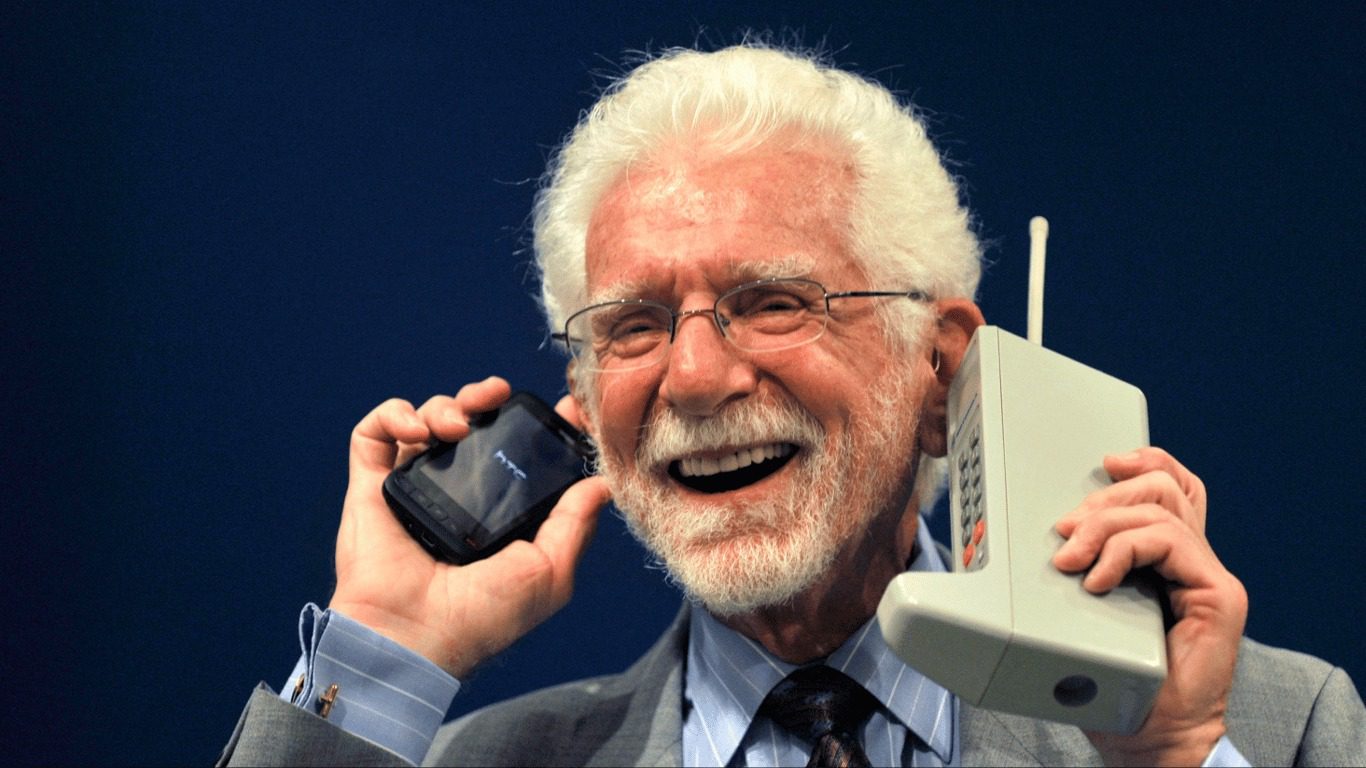
By the mid-20th century, telephone lines stretched from coast to coast and even across oceans. The introduction of area codes and direct long-distance dialling allowed subscribers to call virtually anywhere in the world. This era was dominated by Ma Bell, also known as the American Telephone & Telegraph Company (AT&T), and innovation continued. Touch-tone dialling replaced the rotary dial, and new technologies sped up switching, routing, and improved call quality. In the 1970s and 1980s, digital technology began to transform the communication landscape. Analog signals were replaced by digital ones, which improved clarity and paved the way for computer-based features like voicemail and call forwarding. This period also saw the arrival of the first cordless phones, another watershed moment in telephony history. In 1973, Motorola engineer Martin Cooper made the first call from a portable mobile phone in New York City, pioneering the path for on-the-go communication. By the 1980s, the rollout of fibre-optic cables allowed phone networks to transmit voice and data at speeds and capacities once thought impossible. These innovations set the stage for the most revolutionary change: the dawn of the internet. In 1986, the U.S. Federal Communications Commission (FCC) allocated a frequency band between 47 and 49 MHz for cordless phones. This expansion allowed wireless devices to operate with less interference and lower power consumption.
Cell Phones in New York
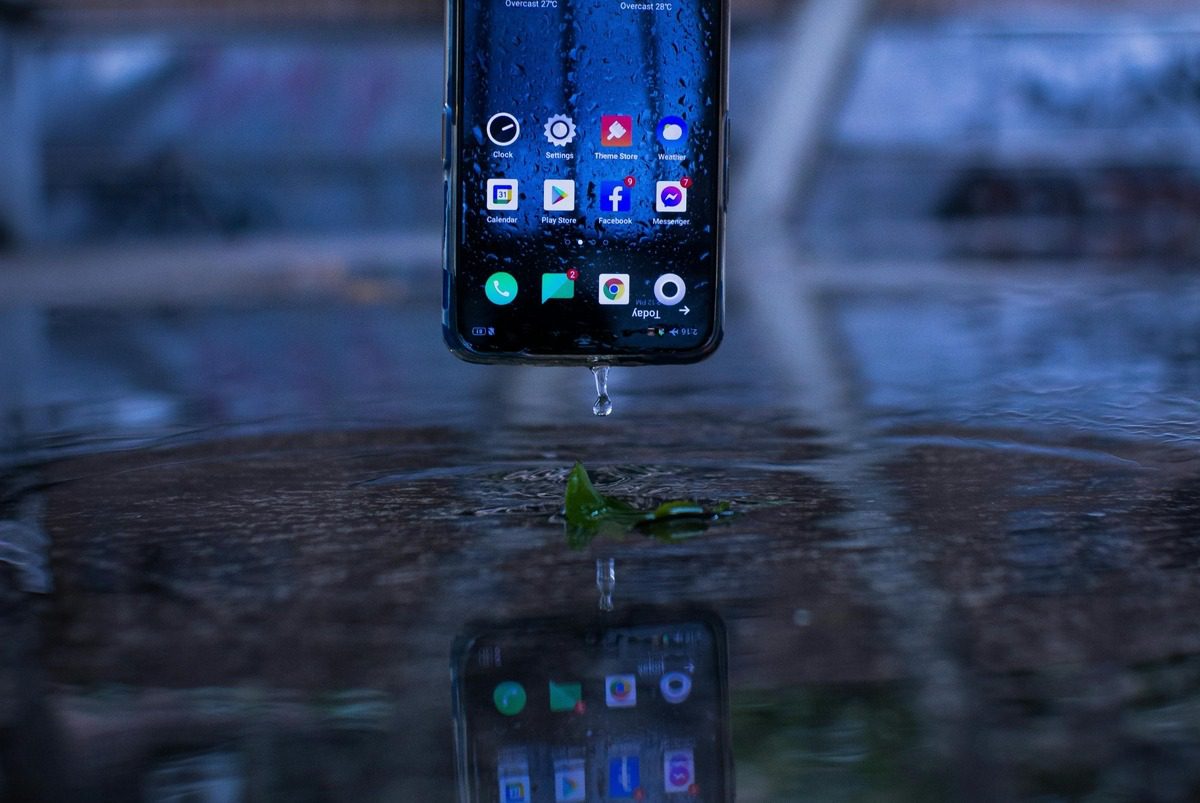
The 1990s introduced Voice over Internet Protocol (VoIP) technology, which allowed voice data to be transmitted over the same networks as email and the internet. This leap freed telephony from copper lines and physical hardware, making it more flexible and scalable than ever before. Mobile phones became affordable and commonplace, allowing calls from almost anywhere. In early 1985, there were about 340,000 wireless subscribers in the U.S. By 2015, that number had surged to 300,000,000—a thousandfold increase. The very first mobile phones were radio-controlled devices—expensive, bulky, and designed for vehicles. Their range was extremely limited. The network, first launched by AT&T in 1946, gradually expanded and improved but never became widely adopted. By 1980, it had been replaced by the first cellular networks. Research into what would become the cellular network used today began in 1947 at Bell Labs, the research arm of AT&T. Motorola introduced the first handheld cellular phone in 1973. In the early 2000s, smartphones combined voice calling, messaging, data, and applications into one mobile device. Communication became not just portable, but fully integrated. Telephony continues to evolve. Artificial intelligence is now used for transcribing voicemails, filtering spam, and enhancing customer service. From switchboards to smartphones, telephony has come a long way, and the pace of innovation shows no signs of slowing down.
The Telephonization of New York
Today, we carry powerful communication devices in our pockets that allow us not only to call anywhere in the world but also to receive text messages, make video calls, and take high-quality photos. All of this is possible thanks to a modern technological marvel: the telephone. The history of telephony in New York is rich and fascinating, and we’ll dive into the details on manhattan-future.com.

