
At the junction of Broadway and Fifth Avenue, near Madison Square, where Manhattan’s street grid subtly shifts, a narrow wedge appears between the avenues – and it is there that a peculiar but surprisingly photogenic building has stood for over a century. The Flatiron Building – the famous “iron” (or “flatiron”) that, thanks to its unusual shape, became a city celebrity long before the advent of Instagram. It is recognized even by those who have never been to New York: thanks to postcards, films, and that special status achieved by objects that become symbols over time. What this building is, where it stands, why it is interesting, and how it is trying to fit into the 21st century – we tell you more on manhattan-future.com.
What Is the Flatiron Building: A Bit of History
At the beginning of the 20th century, New York was rapidly growing upwards – literally. Skyscrapers became a sign of business status, and architects competed to see who could build higher, bolder, and faster. In this competition, the Flatiron Building appeared in 1902 – one of the first high-rises with a steel frame, which immediately became a city star. And the innovative solutions only partially explain this. Even more influential on its popularity was the strange, wedge-shaped form that instantly captured the public imagination. City dwellers nicknamed it the “iron” – and the name stuck.
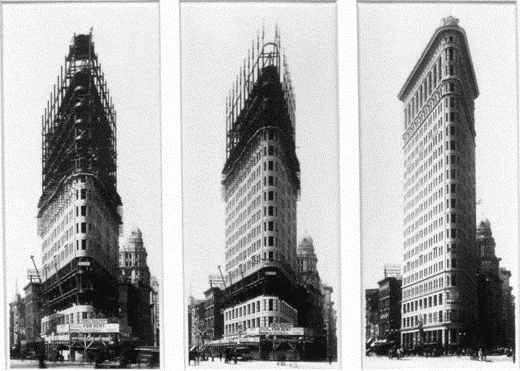
The author of the project was Daniel Burnham – an architect who worked in the Beaux-Arts style and already had a reputation as a man who thought big. The client was the Fuller Company, whose name was even initially featured on the building. But the public decided otherwise: it wasn’t Fuller at all, it was Flatiron – period.
Interestingly, the structure was quite daring for its time: thanks to the steel “skeleton,” it was possible to bypass crude supporting walls and erect the building quite quickly. In just one year, a razor-sharp skyscraper grew on the narrow plot between 22nd and 23rd Streets – 87 meters high with 22 floors. It immediately became a subject for jokes, panic (that it would fall in the wind), and curiosity from passersby who gathered on the corner just to look up.
Architectural Features: What Makes This Building Unique
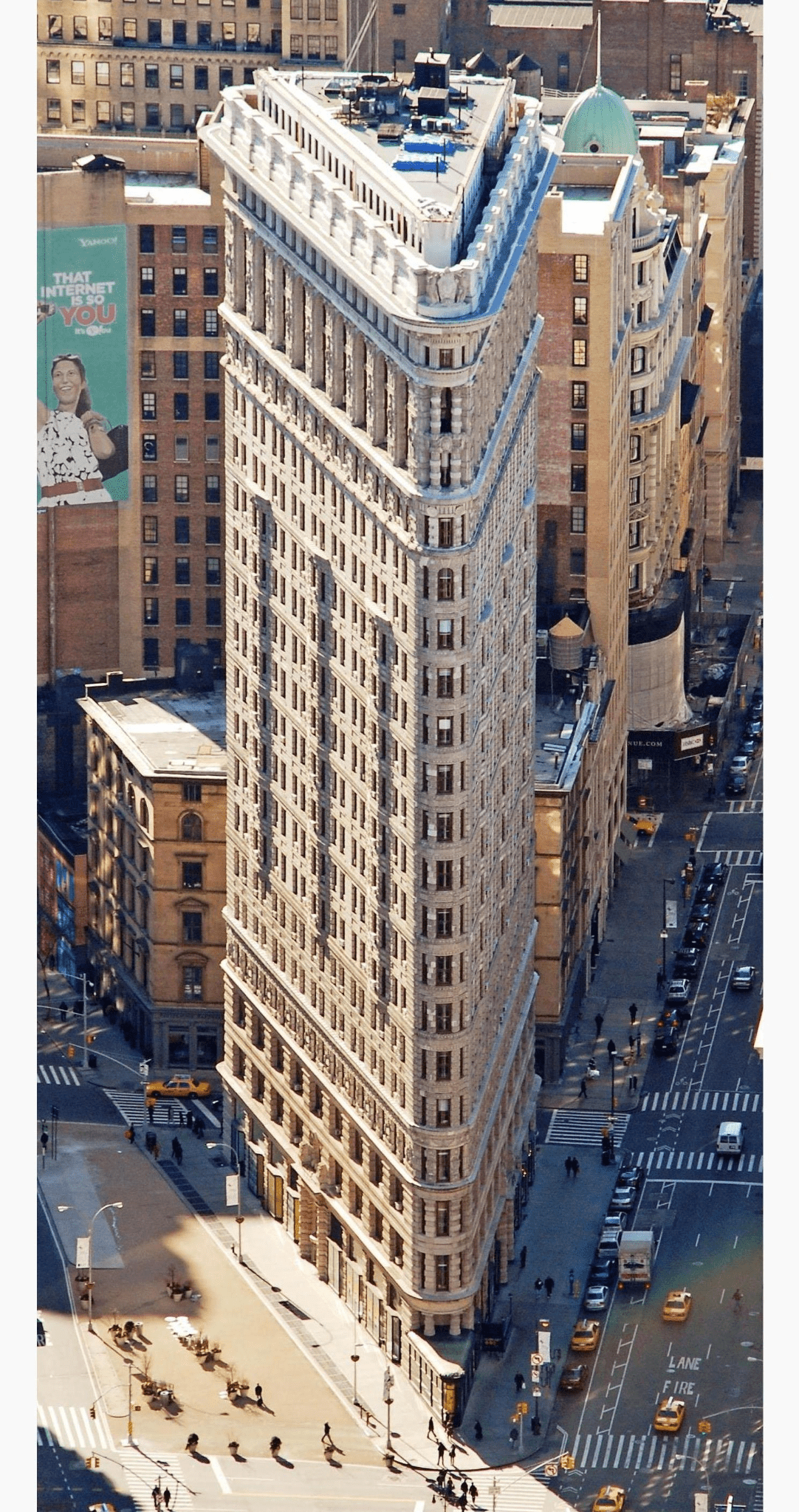
The Flatiron Building is a case where the building’s form determines its fame. Architecture here is the facade, geometry, boldness, and the ability to fit into a plot that normal developers might have simply avoided. It is this unusual triangular shape – like a wedge cutting through the urban plan – that made Flatiron a visual marvel. It looks as if the building is about to turn into a ship and sail through the crowd. But all this eccentricity is entirely justified – within the strict logic of engineering.
Unique Shape and Construction
The plot on which the Flatiron was built has an angle of approximately 25 degrees – that’s the whole secret of its appearance. Instead of complaining about the lack of space, the architect Burnham used it as the main feature. The building has a long southern facade along Broadway, a short western one along 22nd Street, and a slightly longer northern one along Fifth Avenue. At its narrowest point, the structure’s width is less than 2 meters.
The heart of the structure was the steel frame – a solution that, in the early 1900s, allowed buildings to be taller and “lighter.” Thanks to this, Flatiron could rise to its full height without massive walls that consumed floor space. It is said that the engineers designed the frame to withstand four times the load that local winds could create. In those days, jokes circulated in the city that the first strong gale would blow down the iron, but, as we can see, none could.
Beaux-Arts Style Facade
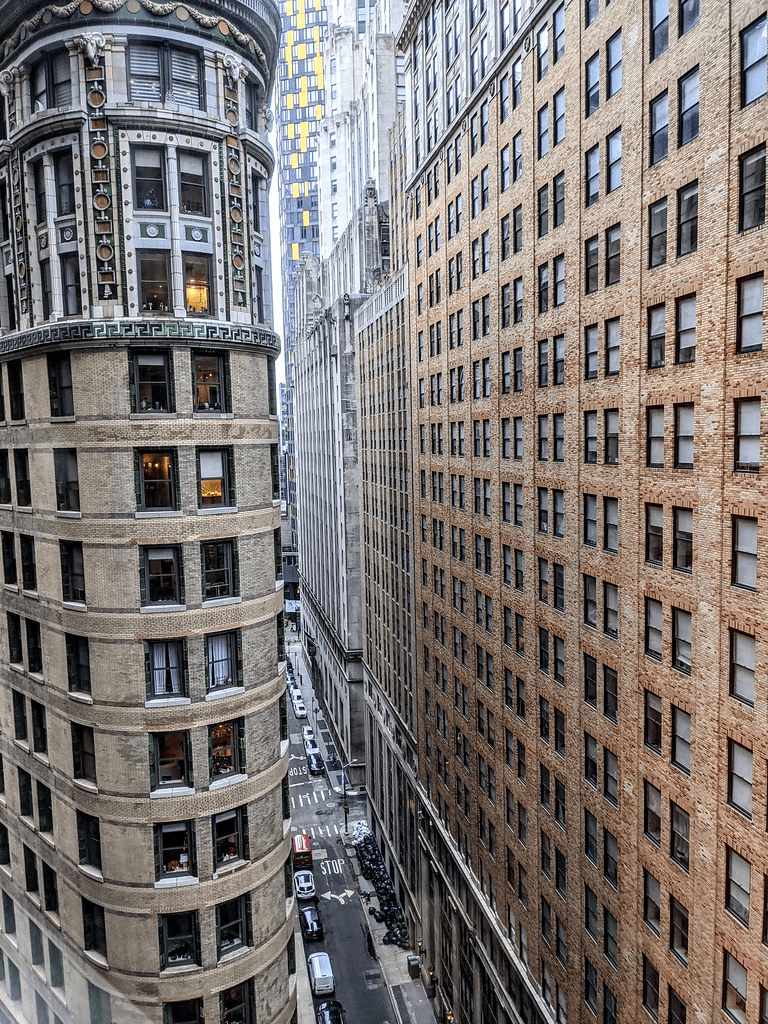
If the structure is the body, the Flatiron facade is its attire. Burnham designed the building in the Beaux-Arts style: there is symmetry, decorativeness, and classical references. The facade is conventionally divided into three parts – like a classical column: base, shaft, and capital. The first floors are decorated with limestone, and above is terracotta with fine details that are best seen with binoculars or in zoom mode.
The corners are rounded, the windows seem inscribed in the movement of the facade, and overall the building looks not sharp, but rather “streamlined” – it does not cut the city, but glides through it. This aesthetic combines the functional with the beautiful – without unnecessary pomp, but with dignity.
Cultural Impact and Significance for the City: Why Has Flatiron Been Talked About for Over 100 Years
Flatiron is an object with its own history of influence on the city, imagination, and culture in general. Already in the first years after its opening, it became a favorite of photographers: the sharp angle, the advantageous light, the space around it – ideal conditions for creating photographs. Some believe that the era of street architectural photography in America began precisely because of Flatiron. They say that earlier New York was photogenic by accident, but with the appearance of this iron – on purpose.
In the media, Flatiron quickly transformed into a symbol of urban breakthrough. The building was placed on postcards, drawn, and mentioned in films. One contemporary critic called the building “what the Parthenon was to Athens” – perhaps exaggerating the grandiosity slightly, but conveying the general mood. It was remembered, described, parodied – and all this even before the building became a landmark.
Over time, the surrounding area also began to flourish. The Flatiron District became a hub for creative business, cafes, and offices for the “new economy.” The building ceased to be just a backdrop and instead became a marker of style, even a certain form of status. And all this – thanks to a small triangular piece of city land on which it was decided, for once, not to skimp on ambition.
The Present and Future of the Flatiron Building
Despite its fame, Flatiron has not experienced the brightest times in the 21st century. Only history remains of its office real estate past: the premises were vacant, the building stood without permanent tenants, and the facade gradually lost its former luster. The city around it was changing, and the “iron” seemed suspended in an in-between time – too historical for modern business, but not yet adapted to something new.
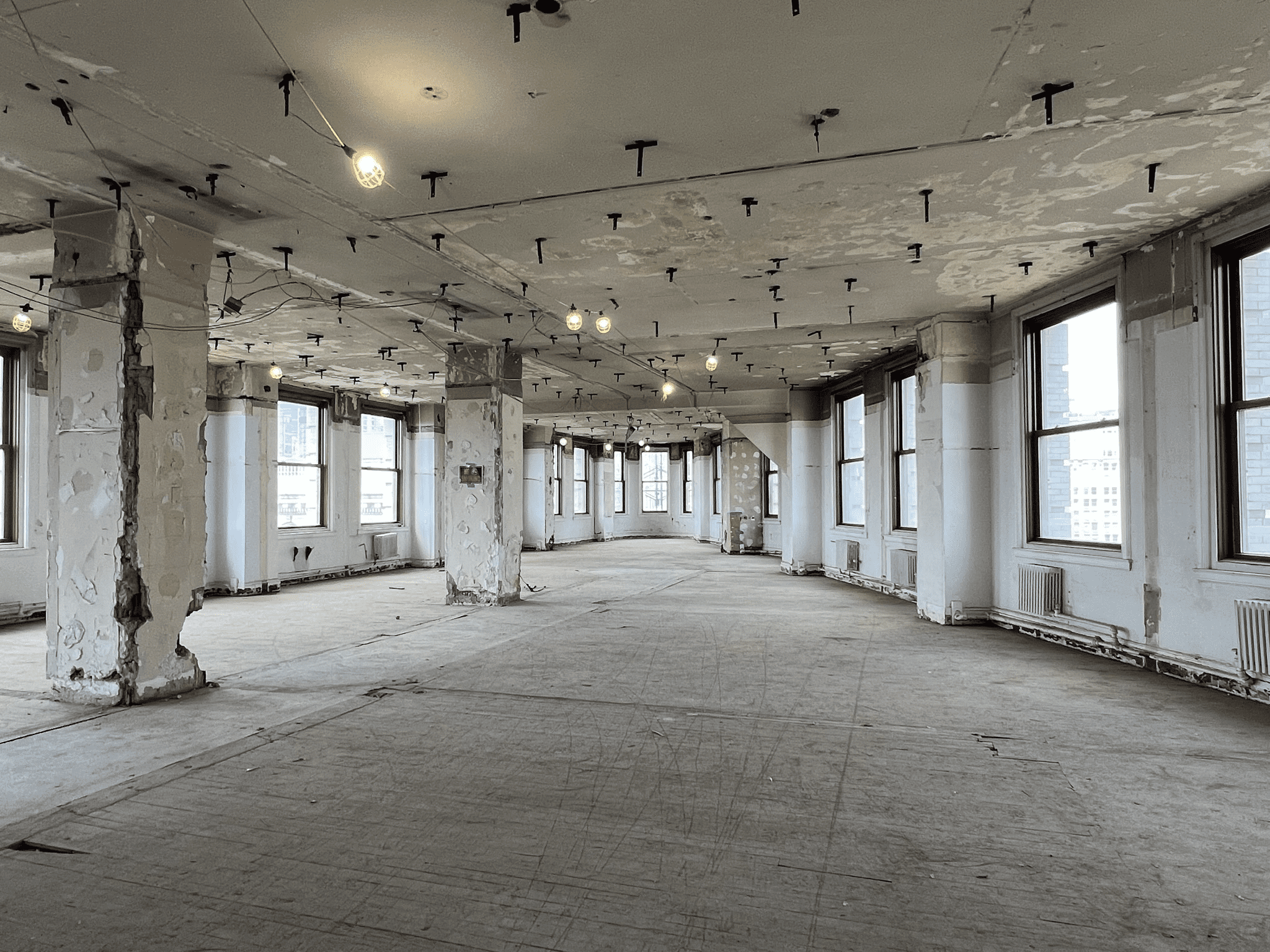
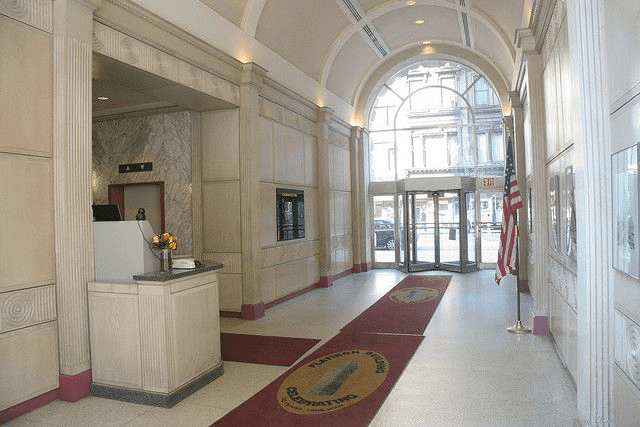
In 2023, the building was sold at auction – and this became the start of a new phase. The new owners announced that they plan to convert Flatiron into a residential building with luxury apartments. This sounds spectacular but raises many questions: how to integrate modern life into historical interiors, how to update the engineering without spoiling the appearance, and what to do with the narrow corners where you can’t even place a bed?
However, restoration has begun. The facade was enveloped in scaffolding, demolition began inside, and only silence and anticipation surrounded the building. Some Manhattan residents are happy that Flatiron will get a new life (like plastic after recycling). Others feel and behave more reservedly, fearing that the building will become another ordinary address, but without the magic that made it recognizable for over a hundred years. One thing is clear: the history of the “iron” is not over yet – it is just preparing for the next stage.
Why You Should Pay Attention to the Flatiron Building
Flatiron is not the tallest or most ornate building in Manhattan. It is even slightly awkward: cramped, sharp, with strange angles. But it is precisely because of this peculiarity that it became one of the most famous. In a city where skyscrapers often compete in intrusiveness, Flatiron wins with something else – recognition. It doesn’t shout, but it is remembered.
It is an excellent example of how limitations can give rise to an idea. The architect received a triangular plot – and turned it into an outstanding landmark. The steel frame, the Beaux-Arts facade, the location at the “uneven” intersection – all these are components of a unique image. Flatiron is an urban improvisation that turned out to be surprisingly successful.
If you are walking through Manhattan and looking for a place where the city seems to photograph itself – this is the place to go, or towards the memorial architecture. And even if you have seen this building dozens of times on screens, the impression of observing it live will still be different.

