
It’s almost impossible to imagine modern life in Manhattan without a mobile phone. Today’s devices let us do so much more than just make calls—we can game, take photos, work, and a whole lot more. Yet, when the phone was first invented, people saw it as something truly extraordinary. We’re going to explore how cellular service and mobile phones first arrived in Manhattan, courtesy of manhattan-future.com.
Before Mobile: The Stationary Era
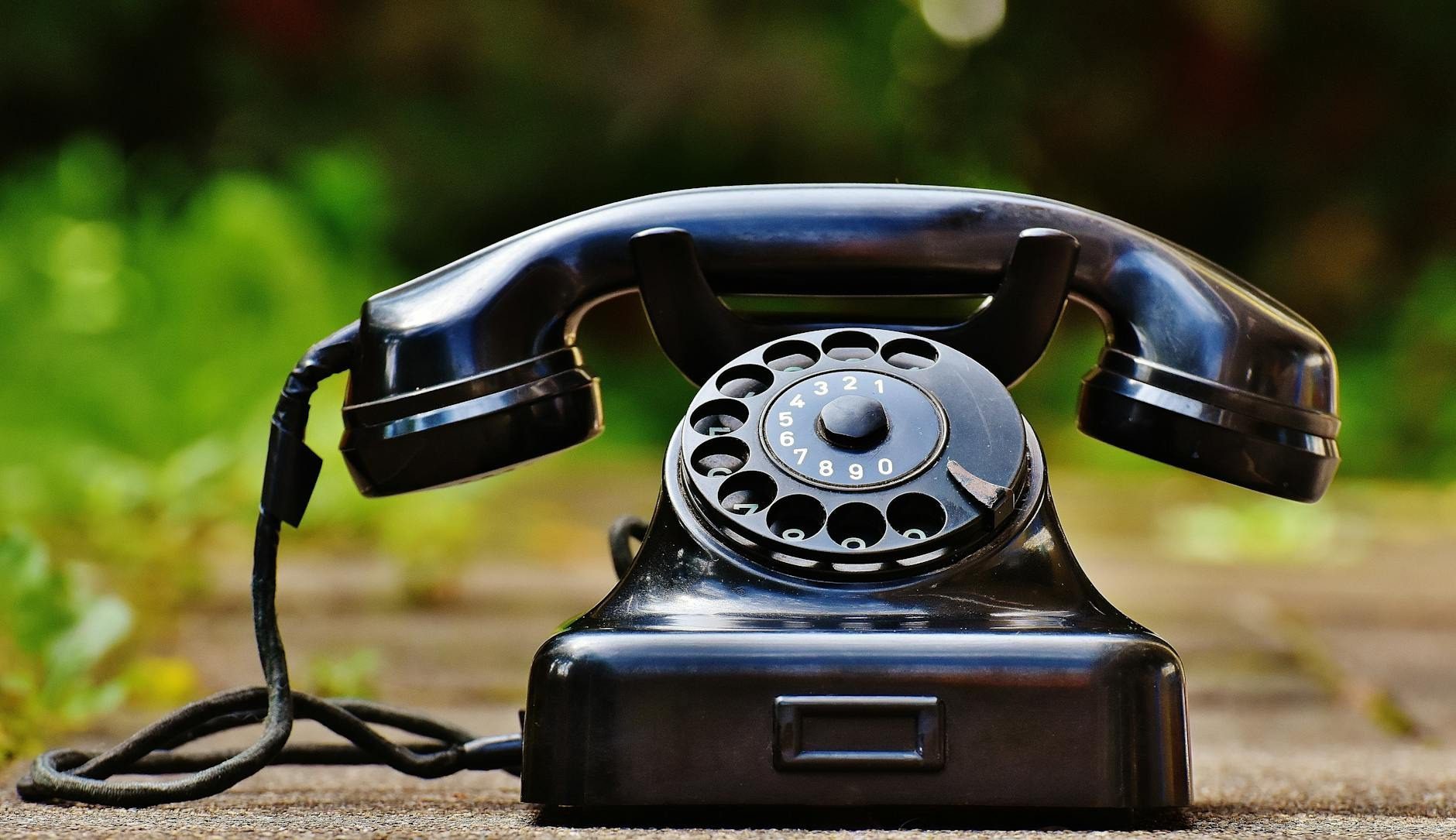
The history of the mobile phone is a saga of continuous innovation. Before their debut, Manhattan residents relied on stationary prototypes—landlines—that were fixed to a single location. That meant if you weren’t home, you couldn’t answer a call, and you’d have no idea someone had even tried to reach you. Mobile phones solved this fundamental problem, offering people the freedom to communicate wherever they were. Over time, mobile phones evolved dramatically. They gained a multitude of features, including text messaging, cameras, and internet access. Today, smartphones are an indispensable part of daily life. The first mobile phones were a far cry from the sleek, smart devices we carry today. They were heavy, bulky, and suffered from terrible battery life. Nevertheless, they laid the essential groundwork for wireless communication that ultimately birthed modern mobile telephony.
The Invention and First Call
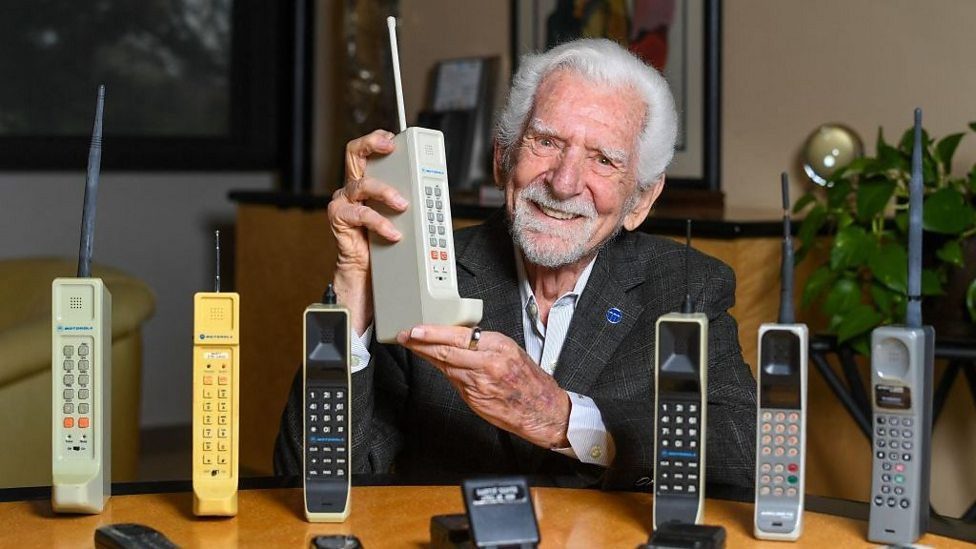
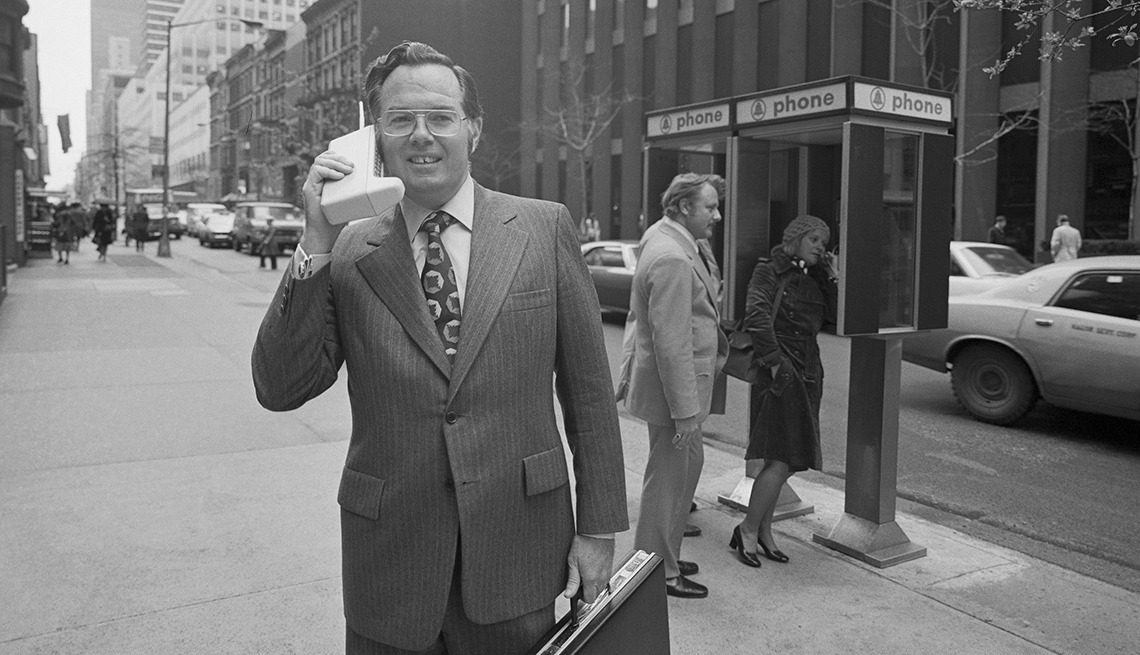
Martin Cooper, an engineer at Motorola, envisioned a phone that anyone could carry anywhere. At the time, phones were tethered to fixed lines, and a truly portable model simply didn’t exist. Cooper earned his place in the Guinness Book of World Records by making the first-ever mobile phone call on April 3, 1973, on the streets of New York City. He called his competitor at Bell Labs, Joel Engel, to announce that he had successfully created the first mobile phone. Although Cooper invented the mobile phone in 1973, it took another 10 years before it became commercially available, kicking off the mobile revolution. The first commercially sold mobile phones were known as the Motorola Dynatac 8000X. In 1984, the Dynatac, which was often called a “cell phone” rather than a “mobile phone,” cost $3,995—roughly $11,700 or £9,500 in today’s money. To put that in perspective, the average weekly salary in the UK at that time was around £117. For that hefty price, owners of these first mobile phones could only make calls. Texting, social media, and cameras arrived much later. The battery took a whopping 10 hours to charge, providing just 30 minutes of talk time, and users had to pull out a 15-centimeter antenna before making a call. Weighing in at a colossal 1.1 kg, the first mobile phone earned the nickname “the brick.” It also lacked a screen entirely. It’s important to note that while the Motorola Dynatac 8000X was unveiled in 1983, cellular technology itself had been around for several years. Engineers experimented with wireless communication in the 1940s, but these early mobile phones were massive and only installed in cars. They used radio waves to connect with telephone networks. By the 1950s, the technology had advanced enough for more efficient communication, but the phones were still too bulky and expensive. Everything changed with the arrival of the Motorola Dynatac 8000X, when average individuals were finally able to purchase and carry their own mobile phone.
The Evolution of Mobile Phones
The second generation of mobile phones became a more common sight on the streets. These phones utilized the new 2G signal, and their arrival in the 1990s saw more teenagers begin using mobile phones. For the first time, texting became possible on phones that were more compact and user-friendly than the Dynatac 8000X. In 1982, Nokia introduced the portable Mobira Senator to the market. This mobile device, which weighed 10 kg, was mostly installed in cars due to its large size but represented a significant step forward in mobile telephony. Technological progress led to much-improved product portability. In the late 1980s, “bag phones” became popular. These devices combined a receiver and power source with a radio antenna inside a carrying case, making them significantly more mobile than previous versions. These early innovations eventually paved the way for the development of convenient, pocket-sized smartphones. Phones of the 1980s had limited functionality, were heavy and large, and were solely designed for making calls. They still lacked cameras and messaging capabilities. Most models ran on analog technology, meaning call quality was often poor and signal issues were frequent. Despite these drawbacks, the 1980s were a landmark era for mobile communication. Engineers refined mobile networks, resulting in faster service speeds and expanded coverage. By the end of the decade, mobile phones were becoming more commonplace, not only in New York but in other major cities as well. Phones released in the 1990s ushered in the age of digital technology, replacing traditional analog systems. This offered superior call quality and less interference. Cell phones in the 1990s became more functional with the addition of features like:
- Caller ID: Users could see who was calling before answering.
- Call Waiting: Users could answer a second call even if they were already on the line.
- Voicemail: Missed calls were saved for later listening.
- Simple Games: Many phones included basic, built-in games.
Models from the 1990s remained expensive early in the decade. By the late 1990s, the mobile phone was no longer strictly a luxury item. By 1997, phones had become more compact and easier to use. Nokia and Motorola dominated the New York market with their slim and durable models.
New York’s Unique Mobile Concept
On June 17, 1946, a driver in St. Louis pulled a handset from under his car’s dashboard and made the first call on a mobile phone built by the Southwestern Bell system, one of AT&T’s local operating companies. The research team at AT&T’s Bell Labs had been working on this breakthrough for over a decade. By 1948, wireless phone service was available in nearly 100 cities and on highways. Its clientele included utility companies, commercial trucking fleet drivers, and journalists. However, with only 5,000 subscribers making 30,000 calls a week, it was far from a common commodity. The wireless network could only handle a small number of calls. A single transmitter on a central tower provided a few channels for the entire metropolitan area. Between one and eight receiving towers handled the signals for answering calls. A maximum of *three subscribers could make calls simultaneously* in any city, sharing one transmitter and a sliver of the spectrum. Essentially, it was a massive party line where a strictly controlled number of subscribers first had to listen to see who was on the line, and if it was clear, signal an operator to place the call. The equipment, which naturally ran on vacuum tubes, weighed eighty pounds, took up most of a car’s trunk, and drew so much power that the headlights would dim. The service cost $15 a month plus 30-40 cents per local call. In 1965, an improved system, known as IMPS (Improved Mobile Telephone Service), combined with a small expansion of the available spectrum, increased the number of channels and available subscribers. Yet, capacity remained so limited that Bell System management capped service access at 40,000 subscribers, selected according to agreements with state regulators. For example, 2,000 subscribers in New York City collectively shared just twelve channels and typically waited thirty minutes for a dial tone. The long waiting list of potential subscribers was a clear indicator of the demand for this service, a demand that could likely only be met by more advanced technologies. In the US, the liberalization of the telecommunications industry peaked on January 1, 1984, when the Bell System was dismantled. Bell, the corporate behemoth that had long dominated the American phone market, was broken up into seven companies. This, in turn, accelerated the development of mobile telephony. The first licenses to operate mobile telephone systems were granted in 1982, and the very first system became operational in late 1983.

