

This article delves into the history of Manhattan’s water supply. We’ll explore where Manhattan’s first settlers found their water, how the initial water mains were constructed, the emergence of a successful new water system, and the challenges the population faced during that era. Learn more at manhattan-future.
Where Did the First Inhabitants Get Their Water?
It’s worth noting that the area now known as Manhattan was long inhabited by the Lenape tribe. They called the borough “Manahatta,” meaning “hilly island.” In the 1600s, the Dutch seized these lands. At that time, their sole source of fresh water was Collect Pond, also known as “Kalch-Hook.” Located in Lower Manhattan and stretching towards the Hudson and East Rivers, it was 60 feet deep and covered approximately 70 acres. People had to draw water from this pond themselves and carry it to their homes. Additionally, there were several private wells in the city at the time. Some changes occurred after the British captured New York. In 1667, the first public well was dug near Battery Park in Lower Manhattan. It operated using a special pump that drew water from underground.
Growing Pains: Water Contamination
Soon, problems arose due to the lack of fresh water. As the population grew, unsanitary conditions became rampant. Streets and waterways quickly became contaminated with garbage and sewage, rendering the water unfit for consumption. For a time in the early 1700s, water was imported from Brooklyn, but this supply was also insufficient. The scarcity of clean water led to severe issues. A devastating cholera epidemic, fueled by contaminated water, claimed over 3,500 lives. Additionally, the city struggled to combat fires. Notably, the Great Fire of 1776 destroyed a quarter of the city’s buildings. Following these tragic events, the local population began demanding a reliable water supply.
Aaron Burr’s Water Venture
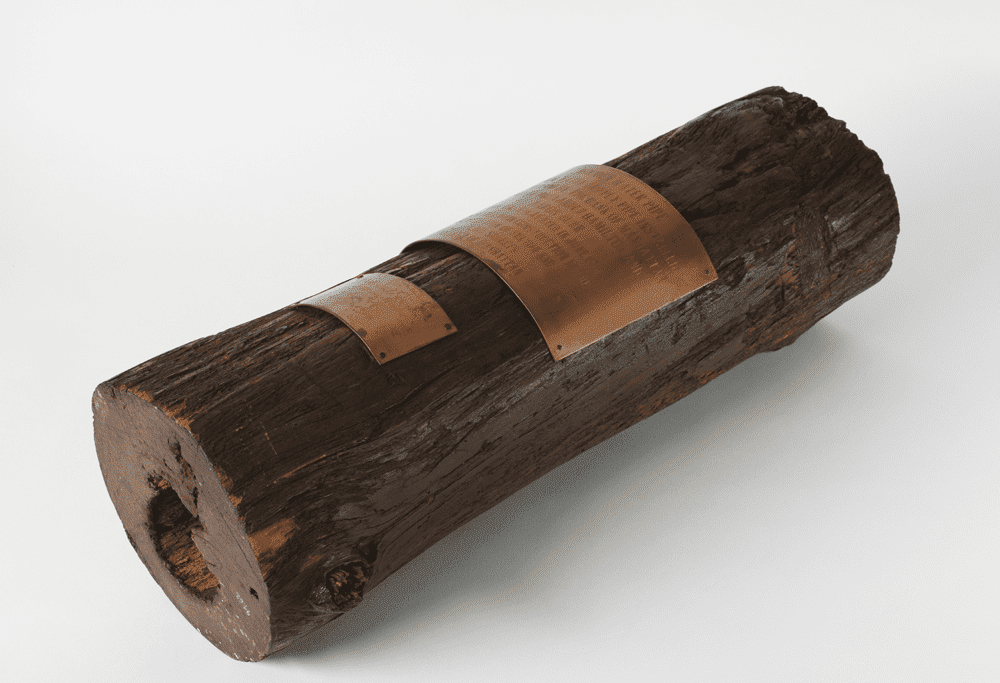
In the late 18th century, politician and lawyer Aaron Burr proposed the creation of a private enterprise, the Manhattan Company, to supply the city with drinking water. In 1799, the state legislature granted this new company the exclusive right to provide water. To implement the plan, the Manhattan Company began digging up streets and laying specially crafted wooden pipes. The water was sourced from a well near Collect Pond. However, access to this water was limited to a small portion of the population. It’s worth noting that the company received over two million dollars for this project, but its execution was less than diligent. Instead of focusing on developing a quality municipal water supply, the Manhattan Company used surplus funds to establish a bank – known today as Chase Manhattan – and increasingly concentrated on its banking operations.
A New Era: The Croton Aqueduct System
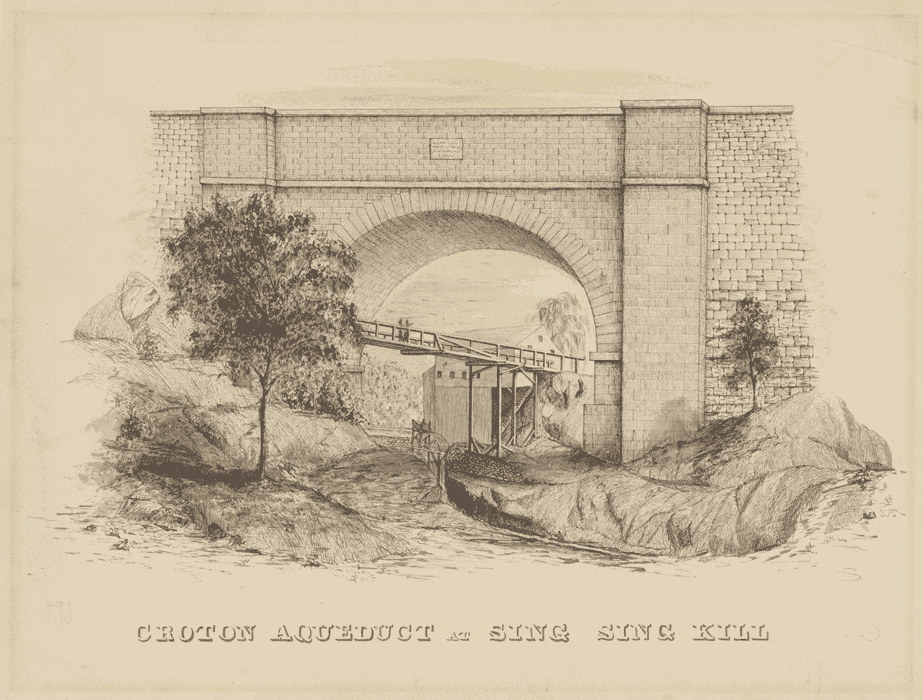
The pressing need for clean drinking water demanded a solution. City authorities decided to source water from the Croton River. Around 1837, construction began on a dam in Westchester County. Crucially, an aqueduct was built to transport water 41 miles from the Croton River to a receiving reservoir located in the area of what is now Central Park. From there, the water flowed to the Murray Hill distributing reservoir, on the site of the present-day New York Public Library. The first water from this new system reached the city on July 4, 1842. The population was ecstatic and overjoyed. It’s important to note that in 1885, the system underwent a major expansion: a larger dam and a new aqueduct were constructed, nearly tripling the capacity of the old one.